The Museum of Natural History NYC is the rare tourist heavyweight that actually earns its reputation — but only if you play it right. Most people show up at noon, buy the wrong ticket, and burn out somewhere around the third dinosaur hall. That’s the mistake. This American Museum of Natural History guide is about doing it the way people who actually enjoy the place do it: early, focused, and with a plan for the crowds before they find you.
📍 James Carter’s NYC Map — Every spot I mention in this American Museum of Natural History guide guide. Tap a pin for details.
Is the Museum of Natural History NYC actually worth it?

Yes. Emphatically. This is one of the few New York attractions I’d tell almost anyone to prioritize, and I don’t say that about most things with a ticket booth. If you’re weighing it against the city’s other big-name institutions, it’s worth reading up on which NYC museums are actually worth visiting before you commit your itinerary.
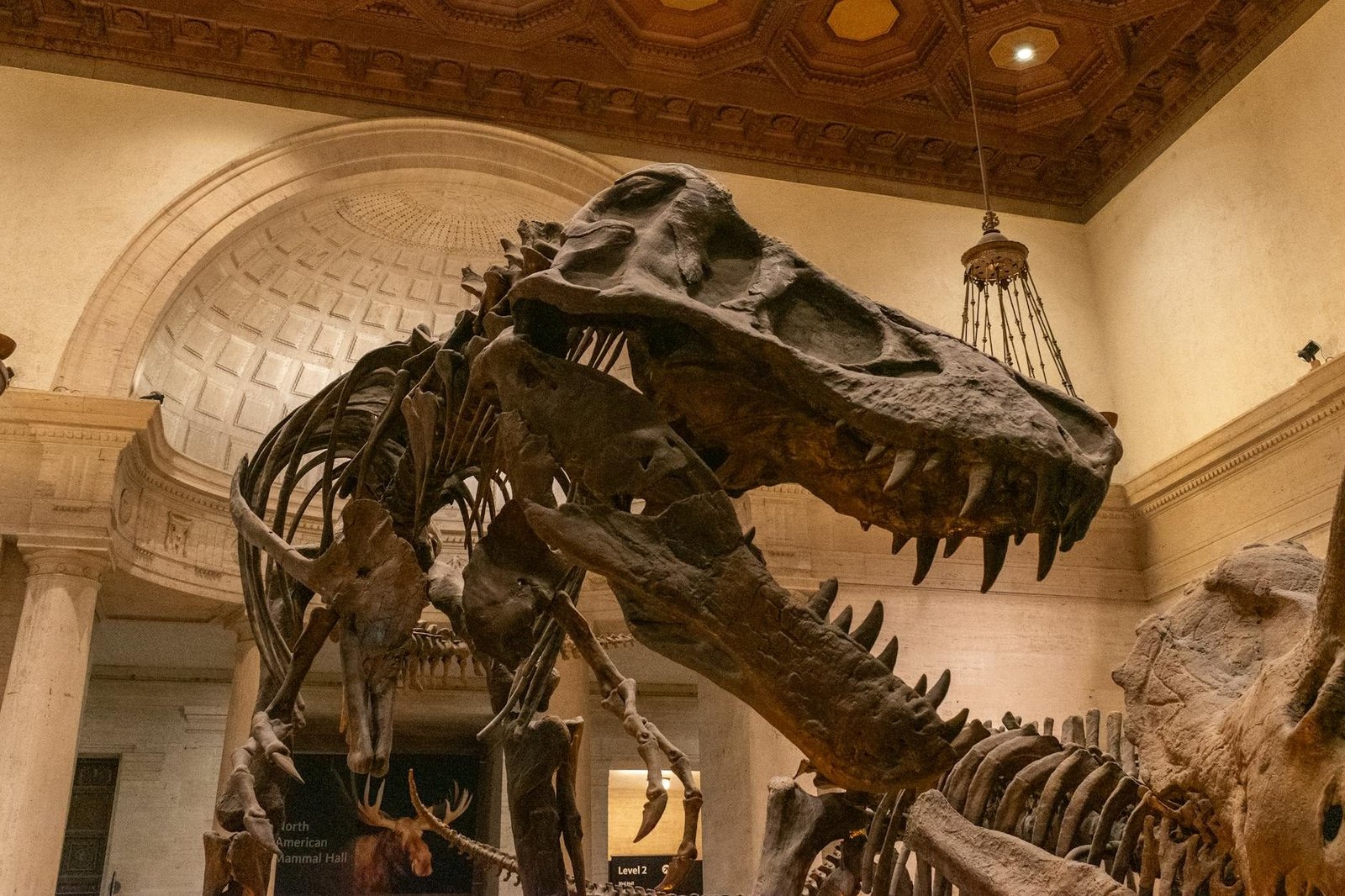
The collection runs to something like 34 million specimens, and while you’ll see a fraction of that, the sheer density of good stuff is the point. The 94-foot blue whale hanging in the Milstein Hall of Ocean Life is worth the admission alone — sit on the lower level, look up, and let it do its thing. Then there’s the Titanosaur, a 122-foot cast that’s too long for its own room, so its head pokes out toward the elevators. Kids lose their minds. So do adults who pretend they won’t.
Here’s where most people go wrong: they try to see everything. Wrong call. Forty-five permanent halls is not a to-do list — it’s a menu. Pick four or five halls you genuinely care about and skip the rest without guilt. The gems and minerals halls hide the 563-carat Star of India sapphire, and the newer Gilder Center — 230,000 square feet from Studio Gang — is the architectural showstopper everyone’s posting about, with its five-story Collections Core stacked with roughly 5,000 specimens behind glass.
Out-of-state adult admission runs $30, with student and senior tickets lower and kids lower still. Prices vary, and there’s a real catch worth knowing: New York residents can still pay-what-you-wish, but it’s strictly enforced now with ID checks at the physical box office only — not online. If you’re weighing a multi-attraction pass against paying per ticket, it’s worth checking a full breakdown of the New York CityPASS first. Don’t try to game it from a hotel Wi-Fi.
Would I go back? Constantly. It’s the kind of place where a rainy afternoon disappears and you don’t regret a minute of it — and if the weather does turn, it pairs well with a broader list of the best indoor activities for a rainy day in NYC.

A museum day is fun. An ER visit isn’t.
Spend six hours on marble floors dodging school groups and one wrong step on those Gilder Center stairs turns a great day sideways fast. American healthcare is brutal if you’re
uninsured — one ER visit without coverage can easily run
$3,000-5,000 out of pocket. World Nomads covers emergency
medical, trip cancellation, theft and mugging. Single trips
from around $2–3 per day, or ~$506 for their Annual Plan
covering every trip you take for 12 months. Takes 5 minutes
to set up.

What to see first at the American Museum of Natural History
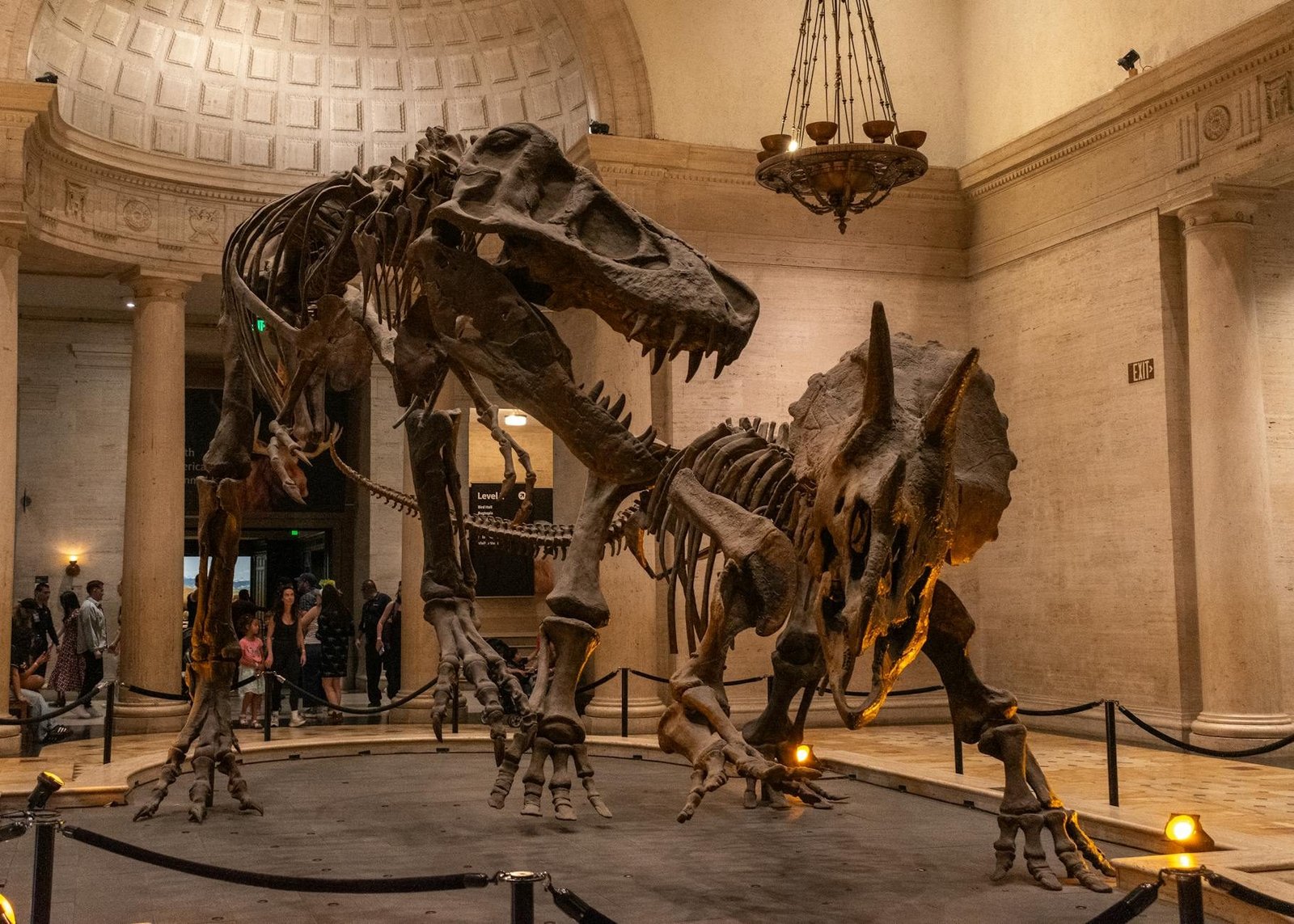
Start with the thing you’ll regret missing, not the thing closest to the entrance. For most people that’s the blue whale and the Titanosaur — go there right at 10 AM when the doors open, before the strollers and the field trips flood in around 11. This kind of early-arrival strategy is also central to planning a family trip to NYC with kids, since this museum tends to anchor a full day out.
The Davis Family Butterfly Vivarium is the sleeper hit — a thousand live butterflies in a warm, humid room, landing on shoulders and camera lenses. It needs its own timed slot and it goes early, so book it the second you buy your main ticket. Skip it as an afterthought and you’ll be staring at a “sold out” screen by lunch.
One quiet pleasure most visitors rush past: the dioramas in the older mammal halls. The lighting, the hand-painted backgrounds, the frozen drama of a lion mid-stalk — they don’t build them like that anymore. I’ve watched a crowded room fall completely silent in front of the Alaska brown bear diorama. That’s the museum at its best, and it costs nothing extra.
Stay walkable to the museum and you’ll beat the crowds every morning — several Upper West Side spots offer free cancellation and the current 15% Getaway Deals discount.
Where to stay in New York City
| Hotel | Why it fits | Book |
|---|---|---|
| Arthouse Hotel | Sharp boutique style with a rooftop bar locals actually like. | See tonight’s rate → |
| The Wallace | Apartment-style suites and high-end finishes, great for families. | See tonight’s rate → |
| Hotel Beacon | Oversized rooms with kitchenettes — ideal for longer stays. | See tonight’s rate → |
| The Lucerne | Landmark 1904 building with classic Upper West Side character. | See tonight’s rate → |
| Hotel Belleclaire | Historic charm, budget-friendly, steps from Riverside Park and the museum. | See tonight’s rate → |
Browse all NYC hotels on Booking →
Getaway Deals: save up to 15% on stays booked through Booking.com — valid until 30 September 2026.
How to get to the Museum of Natural History NYC

The B and C trains drop you at 81st St–Museum of Natural History, which connects directly into the building — you don’t even touch the sidewalk. That’s the move. The 1 train at 79th St works too, a short walk over on Broadway, and honestly on a nice day I’d take the 1 just for the two-block stroll past the brownstones. For more on the neighborhood itself, this area is covered well in a guide to the best things to do on the Upper West Side.
Subway fare is $3.00 flat now, and as of January 2026 the turnstiles are OMNY-only — the MetroCard is fully retired, so tap your phone or a contactless card and move on. The weekly cap kicks in at $36.00, so if you’re riding a lot, your later rides ride free.
Most tourists cab it door to door and pay for the congestion surcharge below 60th Street. Locals just tap through the turnstile and walk up into the building. Do the second thing.
Where to eat near the Museum of Natural History
The museum food court is a trap during school holidays — someone on r/nyc clocked a basic burger and fries at $28.00, and that’s before you factor in the line. Eat outside the building. The neighborhood does this better anyway.
Jacob’s Pickles on Amsterdam does big, unapologetic comfort food, mains roughly in the high teens to mid-thirties — the biscuits alone are worth the walk. If you want the true Upper West Side experience, Barney Greengrass on Amsterdam has been slinging smoked fish and eggs for generations; it’s pricier and worth it once. And if you’ve got kids melting down, Shake Shack on Columbus is fast, dependable, and won’t wreck the day.
Prices at all three vary, and lines form fast on weekends. The 1 train at 86th St is your friend for the Amsterdam Avenue spots.
Everything you’re still wondering about the museum
What’s the best time to visit to avoid crowds?
Get there right at 10 AM opening on a weekday — the halls are calm before the 11 AM school-group wave. By 12:30 PM on weekends it’s shoulder-to-shoulder near the dinosaurs.
How much are tickets?
Out-of-state adult general admission is $30.00, seniors and students $24.00, kids 3–12 $18.00. Prices vary, and NY residents can pay-what-you-wish with ID at the physical box office only.
Can I see the blue whale for free?
Not through the door — every ticket type needs a timed entry now. But NY residents using pay-what-you-wish can technically enter for a token amount and still stand under the 94-foot whale.
What’s the bag policy?
Large bags and luggage aren’t permitted and can’t be checked, so leave the suitcase at your hotel. Coat check runs $2.00 per item for smaller stuff.
Do I need to book the butterfly room separately?
Yes, and do it the moment you buy your main ticket — the Davis Family Butterfly Vivarium sells out by noon most days. Miss it and you’re out of luck till the next visit.
How long should I plan to spend?
Three to four focused hours beats a full-day slog. The museum’s open 10:00 AM–5:30 PM daily, closed Thanksgiving and Christmas — arrive early and you’ll walk out before the afternoon fatigue sets in, with a clear reason to come back for the Wonders of the Deep gallery.