
The High Line NYC is one of those places that sounds like a tourist trap until you actually walk it — and then you get it. An elevated rail line turned public park stretching 1.45 miles through the West Side, from the Meatpacking District up to Hudson Yards. I’ve walked it more times than I can count, coming in from Brooklyn when I need a reminder of why this city does things no other city does. It earns the hype. Most of the time. Last updated: March 2026.
📍 James Carter’s NYC Map — Every spot I mention in this The High Line NYC — complete guide guide. Tap a pin for details.
Is the High Line NYC actually worth your time?
Yes. Flat yes. But with conditions that most travel articles conveniently skip over.
The park is free to enter, open daily, and genuinely unlike anything else in the city — you’re walking an old elevated freight rail line, suspended above the streets of Chelsea and the Meatpacking District, with Hudson River views, rotating public art installations, and a mix of planted gardens that actually change with the seasons. That’s not marketing copy. That’s just what it is. When the wildflowers are up in late spring, or the grasses go gold in October, the place has a texture to it that stops you mid-sentence.
Where it falls apart: midday on a summer weekend. By 12:30 PM you’re not strolling, you’re shuffling. The chokepoints near the 23rd Street section turn into pedestrian gridlock, and the whole meditative quality the park sells itself on evaporates. Completely different experience. Get there before 9 AM on a weekday and you might have entire stretches to yourself. That version of the park — early light, almost quiet, the city just starting to wake up below you — that’s the real thing.
Most tourists treat it like a one-way conveyor belt, starting wherever they happen to enter and drifting. Wrong call. The research on this is consistent with what I’ve observed: start at the Gansevoort Street entrance at the southern end and walk north. The transition from the older, low-rise texture of the Meatpacking District toward the glass towers of Hudson Yards tells a story about what New York is becoming, and you feel it better walking that direction than in reverse.
The full 1.45 miles takes about 30-40 minutes if you’re moving. Realistically, with stops for views, the art, and at least one moment where you just stand and stare at the river, plan on 1.5 to 2 hours.
One more thing worth saying directly: the 2019 addition of The Spur at 30th Street and 10th Avenue changed the northern experience. It’s a wider, more open plaza section that breaks the narrow rail-corridor feel and gives you real sky. Don’t skip it thinking it’s just a detour.

The one thing I tell every visitor before they fly
American healthcare is brutal if you’re uninsured. I’ve had friends end up in a New York ER — one twisted ankle cost $4,200 out of pocket. World Nomads covers medical emergencies, trip cancellations and adventure activities. Takes 5 minutes to set up. Don’t skip this.

What to actually do on the High Line NYC — beyond just walking
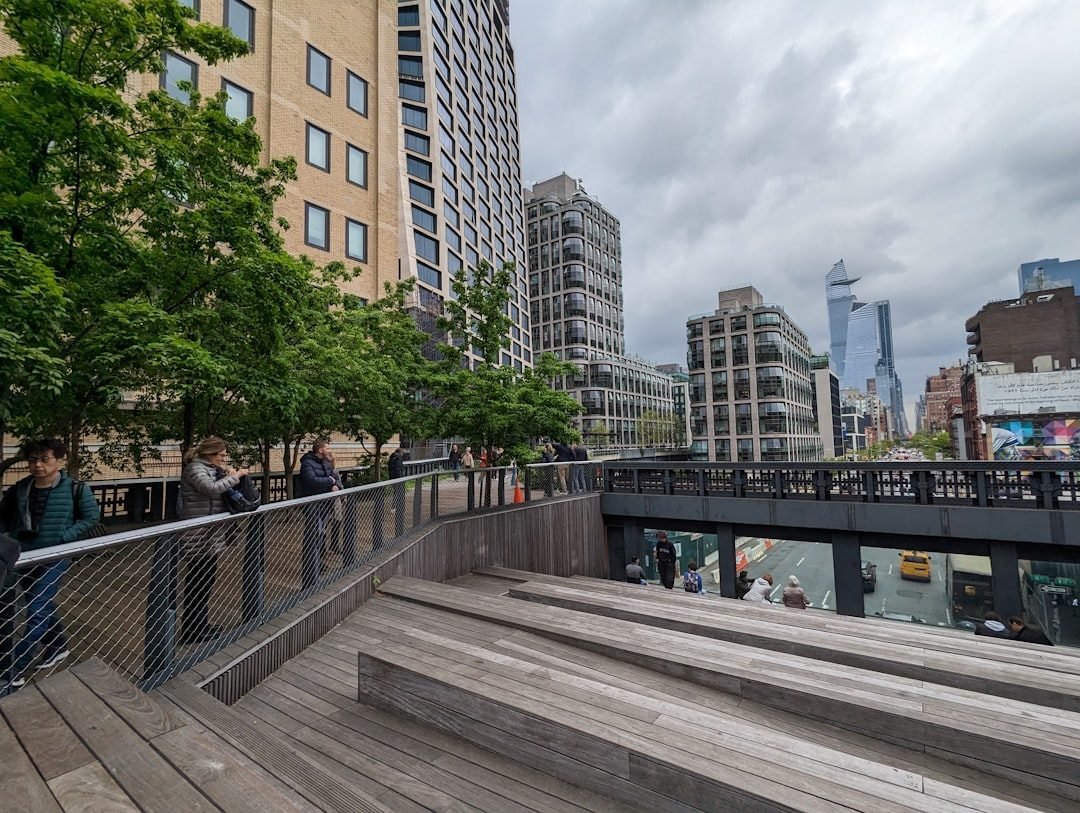
Walking it is the point. But if that’s all you do, you’re leaving real stuff behind.
The public art program on the High Line is legitimately serious. Not decorative sculptures placed for Instagram — actual commissions from artists who respond to the specific context of the space. The installations rotate, so what’s there in May won’t be there in November. Check the official site before you go if you care about that, because occasionally there’s a ticketed or timed event running alongside the free access. The free gardens and art are always there; some programming requires planning.
The Moynihan Connector opened in 2023 and links the park through Manhattan West directly to Moynihan Train Hall. Practically speaking, this means you can now end a High Line walk and step straight into one of the better transit hubs in the city without losing altitude until you have to. It’s a small thing, but it genuinely extends the logic of the walk if you’re headed to Penn Station anyway.
Most visitors walk, snap photos, and leave. Locals — and I’ve done this more than once for a morning — treat the northern end near 34th Street as a starting point for a wider West Side drift down through Chelsea to the galleries on 25th and 26th. That combination, the park followed by an hour in the Chelsea gallery district below, is a better morning than most cities offer on their best days.
Getting to the High Line — transport that actually makes sense

The 1 train to 23rd Street or the C/E to 23rd Street both drop you close. From Midtown, either works. From Brooklyn, the A or C to 14th Street is the move — it puts you at the southern end near Gansevoort, which is where you want to start anyway. Taking a cab to the middle of the route to “save time” is the move that kills the experience before it begins. Don’t do that.
Elevator access exists at Gansevoort Street/Washington Street, 14th Street, 23rd Street, 30th Street Southwest, and 31st Street/Dyer Avenue. Check the official site before arriving if accessibility matters for your group — elevator status can change and the website updates in real time. For more detailed guidance on getting around the city, the NYC subway guide for tourists covers everything you need to navigate the system confidently. Tapping in anywhere with OMNY covers your $2.90 subway fare.
Food and coffee near the High Line
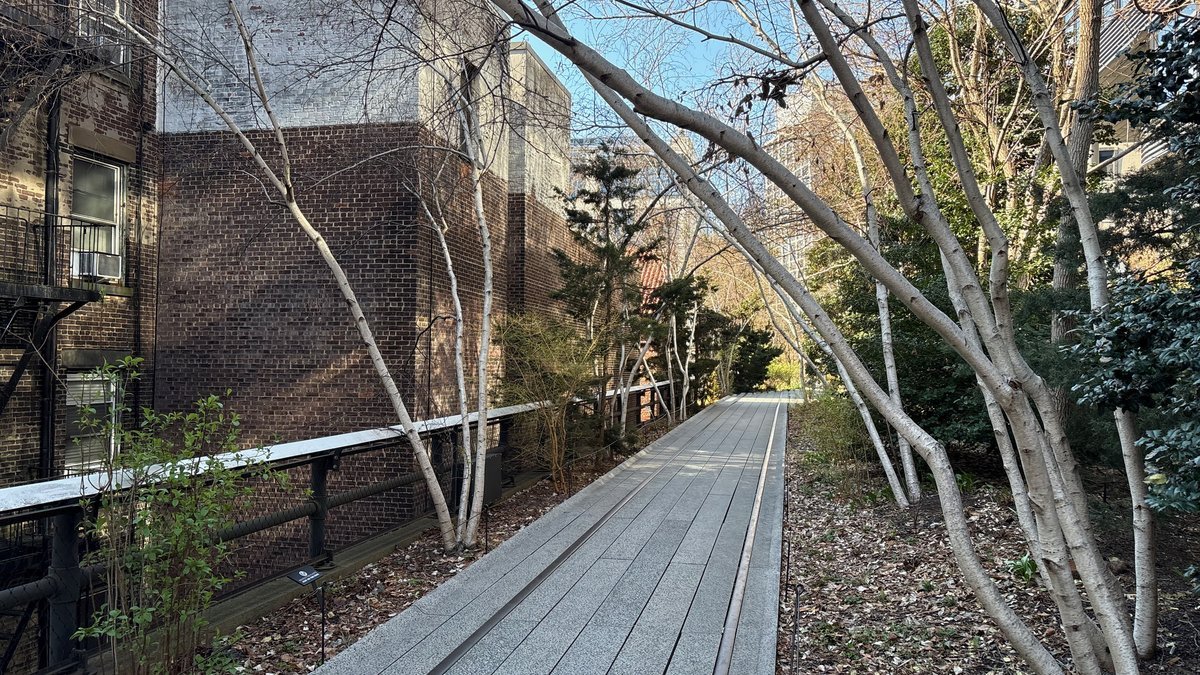
Chelsea Market at 75 Ninth Avenue is the obvious answer, and it’s obvious because it’s good. The building sits directly below the park — the High Line actually passes over it — and the food hall inside covers everything from serious lobster rolls to decent tacos to proper espresso. Prices run $15-30 for a real meal, more if you go the seafood route. Crowded by 11 AM on weekends, nearly civilized on a Tuesday morning.
For coffee before the walk, the stretch of Ninth Avenue south of 14th Street has enough independent cafés that you won’t need a chain. I won’t pretend I have a single locked-in favorite down there — the neighborhood turns over — but anything with a line of people who look like they live nearby rather than people checking Google Maps is usually a reliable signal. If you’re looking for the best options in the area, check out our guide to best coffee shops in Manhattan.
Skip the food vendors on the park itself unless you’re just grabbing a water. The snack options on the High Line are fine but overpriced for what they are, and Chelsea Market is right there.
What most tourists get wrong about the High Line
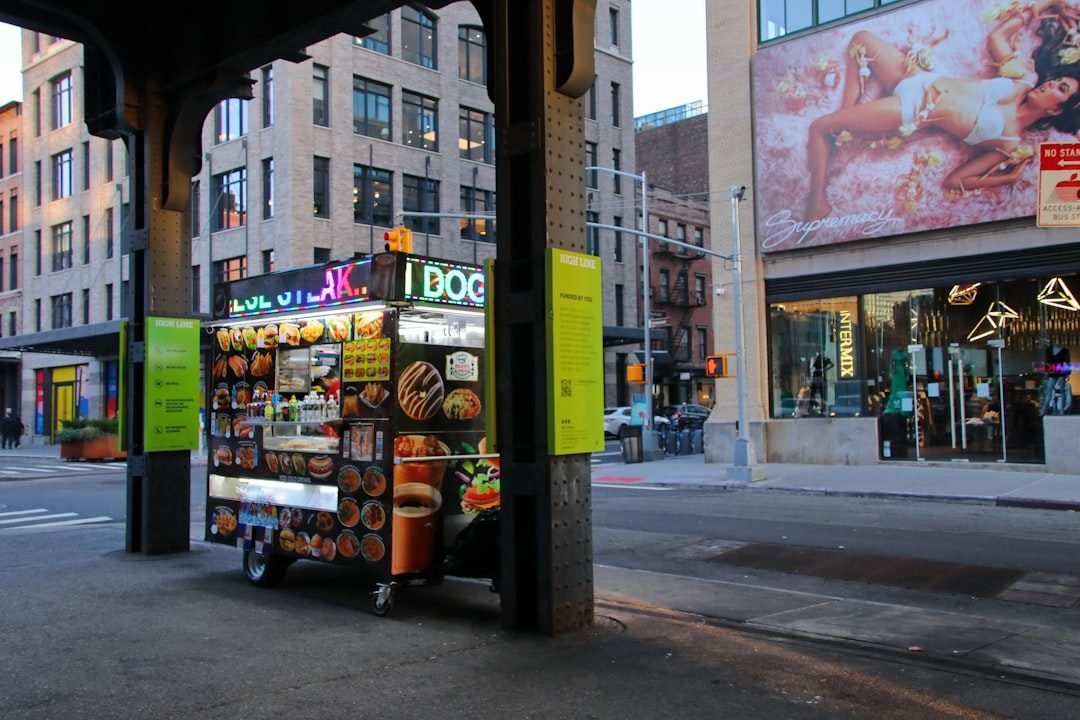
They treat it like a destination with a beginning, middle, and end — walk it, photograph it, check it off. That’s one way to do it. A less satisfying way.
The park works best when it’s one part of a larger West Side morning. Start at Gansevoort, walk north through Chelsea, exit at 30th and cross into Hudson Yards if you want to see what $25 billion of private development looks like in practice (it looks expensive and slightly unreal). Or exit earlier at 23rd, drop down into Chelsea proper, and spend an hour in the galleries. The Gagosian on 24th Street between Tenth and Eleventh Avenues is free to enter and regularly shows work that would cost you $30 to see in a museum context.
The real thing tourists miss is that the High Line NYC is effectively a spine — a connecting thread through a part of Manhattan that rewards wandering below it just as much as walking on top of it. The streets underneath, particularly in the lower Chelsea and Meatpacking sections, have their own texture that you only get by descending. Coming down the stairs at 14th Street and walking a few blocks toward the river is a completely different city than the elevated view you just had. If you want to understand more about exploring this part of the city like a local, the best things to do in the West Village covers the adjacent neighborhood in depth.
Go early. Start south. Walk north. Come down into Chelsea when you’re done. That’s the version of this that actually stays with you.
Everything else you want to know before visiting
What’s the best time of day to visit the High Line?
Before 9 AM on weekdays if you want the place to yourself. Crowds start building around noon — by 12:30 PM on summer weekends it’s genuinely jammed in sections. Early morning or after 7 PM on summer evenings are the two sweet spots.
How long does it take to walk the full High Line?
The full 1.45 miles takes 30-40 minutes at a steady pace without stopping. Realistically, with photo stops, garden pauses, and the art installations, budget 1.5 to 2 hours. If you’re doing Chelsea Market and the Spur at 30th Street, add another 45 minutes.
Is the High Line free to enter?
Yes, completely free, every day. Some special programming events require tickets, but the park itself — the walk, the gardens, the public art — costs nothing.
Which subway lines serve the High Line area?
The 1, C, and E trains all stop at 23rd Street. For the southern Gansevoort entrance, the A/C or L to 14th Street is your best approach. The 14th Street entrance also has elevator access, which matters if stairs are an issue.
What’s the best starting point on the High Line?
Gansevoort Street at the southern end, without question. Walking north gives you the neighborhood transition from the older Meatpacking District architecture toward the glass towers of Hudson Yards — you feel the city’s evolution under your feet. Starting from the north and walking south makes that same journey feel backwards and slightly incoherent.
Is the Moynihan Connector worth using?
If you’re catching a train from Penn Station after your walk, yes — the connector opened in 2023 and links the park directly through Manhattan West to Moynihan Train Hall. It adds almost no time and keeps you above ground longer, which is never a bad thing in this city.
What’s nearby that most visitors skip?
The Chelsea gallery district, one block east of the park between 24th and 27th Streets. Galleries like the Gagosian on West 24th are free to enter and show serious work. Combine it with the High Line and you’ve got a real arts morning — the kind of day in New York that you’ll actually remember when you get home.