There’s a particular kind of light that hits the Hudson around 4 PM in late October, when the water turns the color of cold steel and the joggers thin out and the city seems to exhale. I remember standing near Pier 57 one of those afternoons, watching a kid teach his dad how to skateboard on a flat stretch of pavement, the smell of roasted nuts drifting up from somewhere I couldn’t see. That’s the thing about walking routes in Manhattan — the best ones aren’t the ones on the postcards, they’re the ones where you accidentally end up watching strangers live their actual lives. Have you ever noticed how a city only reveals itself at three miles an hour? Anything faster and you miss it.
📍 James Carter’s NYC Map — Every spot I mention in this Best walking routes in Manhattan: local favorites guide. Tap a pin for details.
The West Village context most walkers miss

Before we get to the actual routes, can I make a case for slowing down? The West Village, bounded roughly by West 14th Street down to West Houston, Hudson River to 6th Avenue, doesn’t reward people in a hurry. Bleecker Street and West 12th and the tangle around 7th Avenue South — these were laid out before the grid took over the rest of Manhattan, which is why your phone keeps insisting you’re walking the wrong way. You’re not. The map is just confused.
What surprises people is how much of this neighborhood is functional. Real bakeries with morning lines that move fast because the staff actually knows the regulars. Old wine shops with handwritten signs. Hardware stores still hanging on. The Gansevoort Square redevelopment kicked off in early 2025 to expand the public space near the High Line, which means this corner of the city is in flux again — worth seeing now, before whatever comes next.
And the food? You want a sit-down moment, you head to Katz’s on East Houston for a pastrami that costs what a pastrami should cost in a city like this — somewhere in the twenty-to-thirty-five-dollar range depending on what you order. Chelsea Market is the other anchor, especially if you started your walk on the High Line, with stalls running roughly fifteen to thirty-five dollars a plate. Tourists hit Chelsea Market at noon and wait forty minutes in line. Locals show up at 10:30 AM or after 3 PM and walk right in.

You’ll walk ten miles. Plan for the one bad step.
A wet cobblestone in the West Village or a missed curb on a Hudson River pier sounds harmless until you’re being loaded into an ambulance somewhere off 9th Avenue. American healthcare is brutal if you’re
uninsured — one ER visit without coverage can easily run
$3,000-5,000 out of pocket. World Nomads covers emergency
medical, trip cancellation, theft and mugging. Single trips
from around $2–3 per day, or ~$506 for their Annual Plan
covering every trip you take for 12 months. Takes 5 minutes
to set up.

My favorite walking routes in Manhattan, ranked by mood
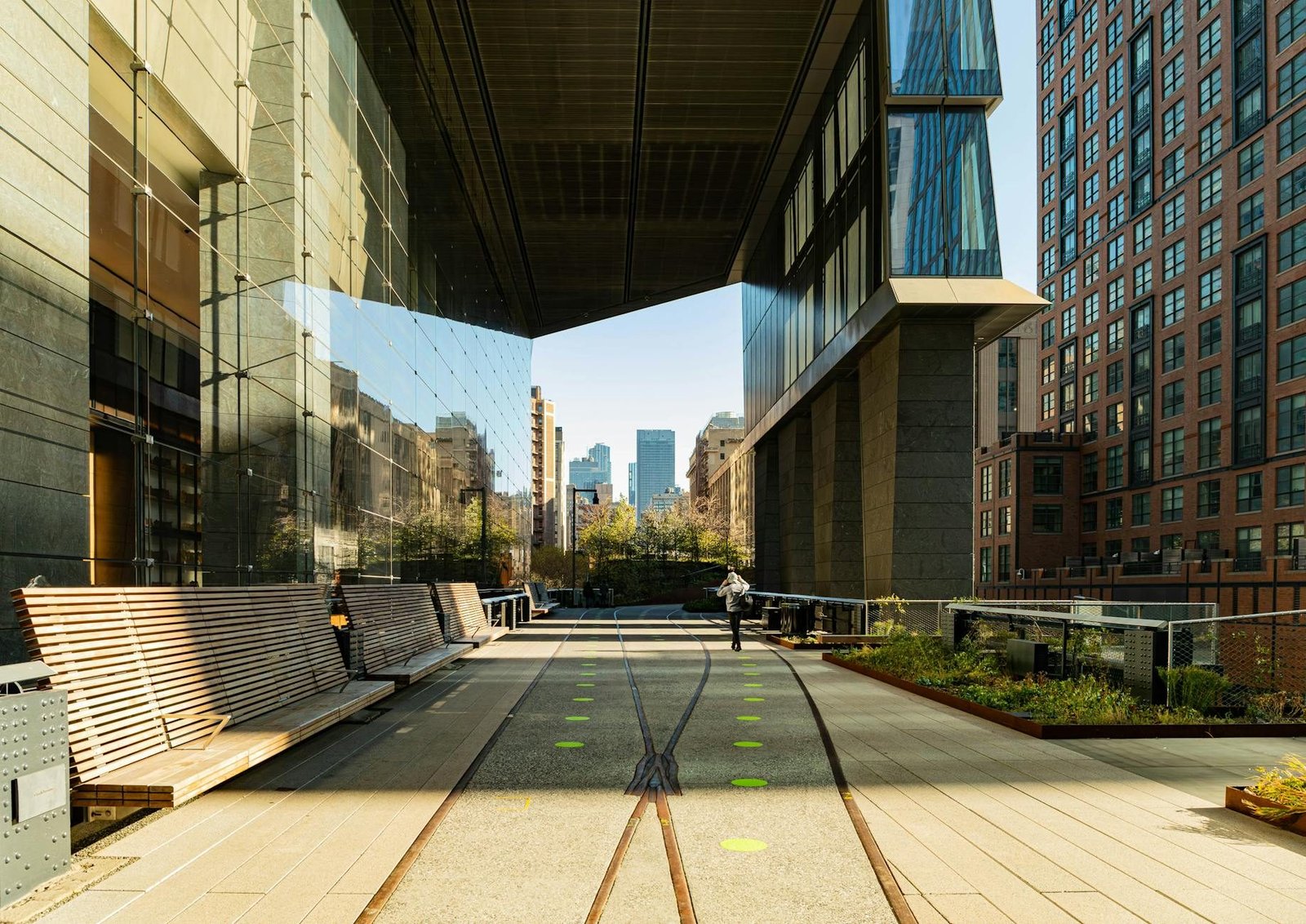
Let me start with the obvious one, because it’s obvious for a reason. The High Line NYC complete guide runs 1.45 miles from its southern entrance at Gansevoort Street and Washington Street up through Chelsea, and if you do it once in your life you should do it at 8 AM on a weekday. That’s the move. By 11 AM it becomes a slow-moving conveyor belt of phones, and the magic — the way the old rail lines peek through the planted grasses, the way the buildings frame themselves around you — gets lost in the crowd. Have you ever tried to take a photo while someone’s stroller is hitting your ankle? Don’t.
The Hudson River Greenway is the route I’d actually pick if you only have one afternoon. Hudson River Park spans 550 acres along 4 miles of the west side, and you can walk from Battery Park all the way up past Pier 57 and beyond without ever fighting a car. One Reddit thread put it perfectly back in May 2026 — someone called it “the cheat code” of Manhattan walking, and they weren’t wrong. You can stretch your legs, you can sit on a bench and watch the water, you can duck into Pier 57’s food hall when you’re hungry (twelve to twenty-five a plate, and the rooftop is the actual reason to go).
Then there’s Central Park. The full outer loop is 6.1 miles, which sounds like a lot until you start walking it and realize how much of it is downhill-feeling, somehow, in both directions. Most tourists do the southern half — the Bethesda Terrace, the bridge from the movies, the horse carriages they shouldn’t be taking. Locals often do the northern half instead, where the Conservatory Garden and the Harlem Meer offer the same park with about a tenth of the people. If you’re wondering how to visit Central Park like a local, the northern loop is where that conversation begins. Reward yourself afterward with a Levain cookie on West 74th — five to seven dollars, worth every cent, line moves fast.
What about a fourth route nobody talks about? The financial district on a Sunday morning. Wide empty streets, granite canyons, the occasional jogger. One Reddit user described it as “feeling like a completely different city,” and they’re right. The buildings that intimidate you on a Tuesday afternoon become almost gentle when there’s nobody around to remind you they mean business.
Eight hours on your feet with Google Maps running drains a phone faster than you’d think — I keep one of these in my jacket pocket every walking day.
Anker PowerCore 10000 Portable Charger
Walking tours mean hours on Google Maps. Keep your phone charged with this compact charger.
The new waterfront walks worth knowing about
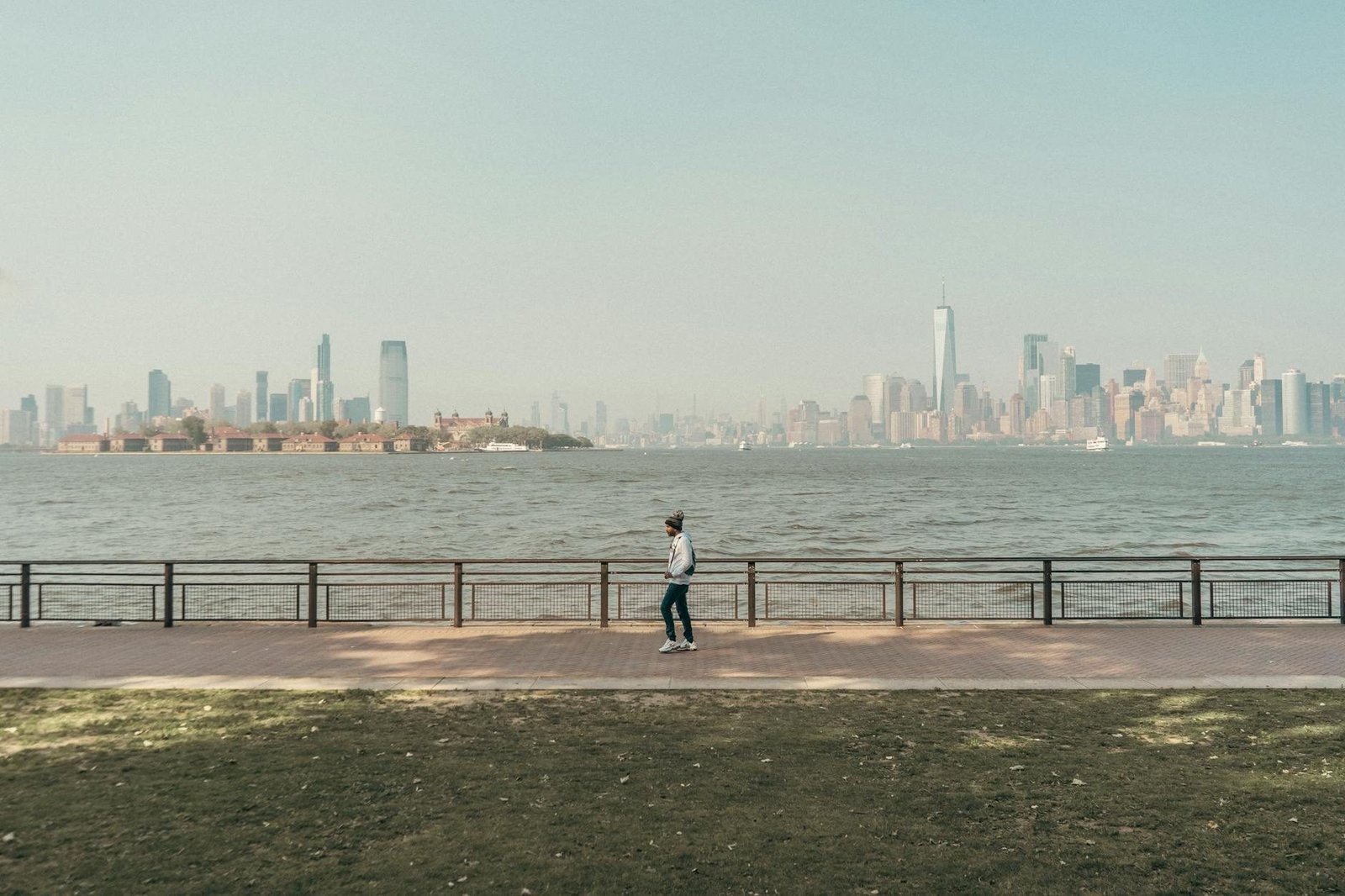
Here’s something that hasn’t fully registered with most visitors yet: Manhattan basically has a continuous walking loop now. The East Midtown Greenway between East 53rd and East 60th Streets came fully online in 2026 after a $197.6 million investment, and it added three acres of new waterfront space on the east side — a stretch that used to be a frustrating gap in the loop. As of May 2026, the Manhattan Waterfront Greenway hit 90 percent completion on its 32.5-mile loop. You can now walk almost the entire perimeter of the island.
Will you walk all 32.5 miles? Probably not. Should you walk a stretch most people skip? Yes. The East Midtown segment is quieter than the Hudson side, the light at sunset hits the bridges differently, and you’ll share it mostly with people who actually live nearby walking their dogs. Pier 42 on the Lower East Side wrapped its final phase in 2024 and it’s a perfectly good place to end up if you’re heading south.
How to get around between walking routes in Manhattan
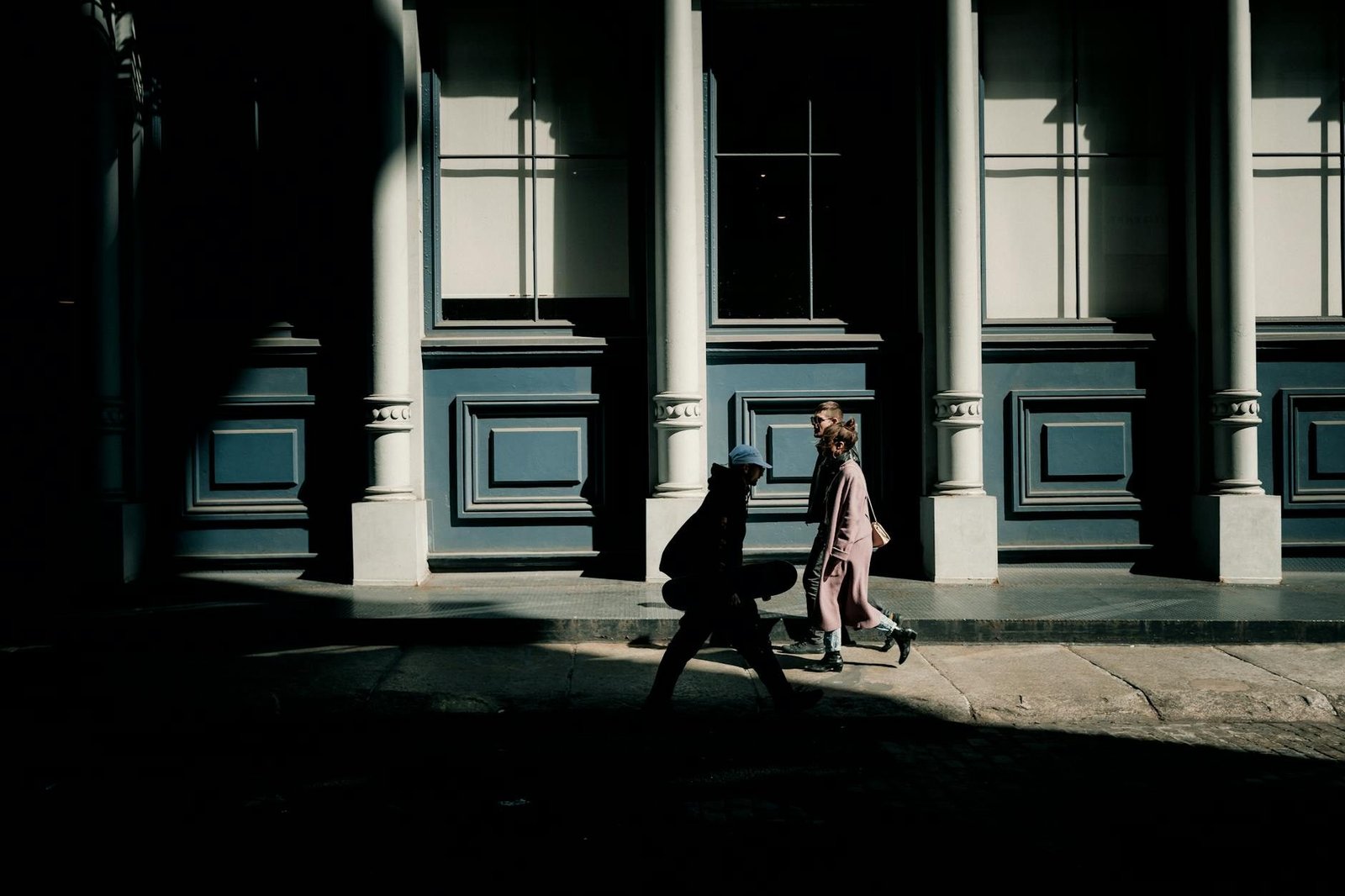
You’re going to think you can walk everywhere. You can’t. Or rather — you can, but your feet won’t forgive you. The subway is $3.00 a ride as of January 4, 2026, and the OMNY weekly cap is $36.00, meaning after 12 paid taps in a 7-day window you ride free. Most tourists buy a 7-day unlimited on day one and never break even. The cap does it automatically. Tap your phone or contactless card and let the math happen.
One detail that catches people out: MetroCard purchases and refills were retired on January 1, 2026. If you have an old MetroCard with a balance, the OMNY customer service center at 3 Stone Street will transfer it. And coins haven’t worked on buses since mid-2026. Don’t bring exact change.
Citi Bike is twenty-five dollars for a day pass, but the e-bike surcharge is forty-one cents per minute and it adds up fast — a half-hour e-bike ride costs more than the day pass itself. For long flat stretches like the Hudson River Greenway, a regular Citi Bike is the move. Faster than walking by a wide margin, cheaper than a cab by more, and you don’t have to deal with the congestion zone tolls that apply south of 60th Street.
So are these walking routes in Manhattan actually worth your time?
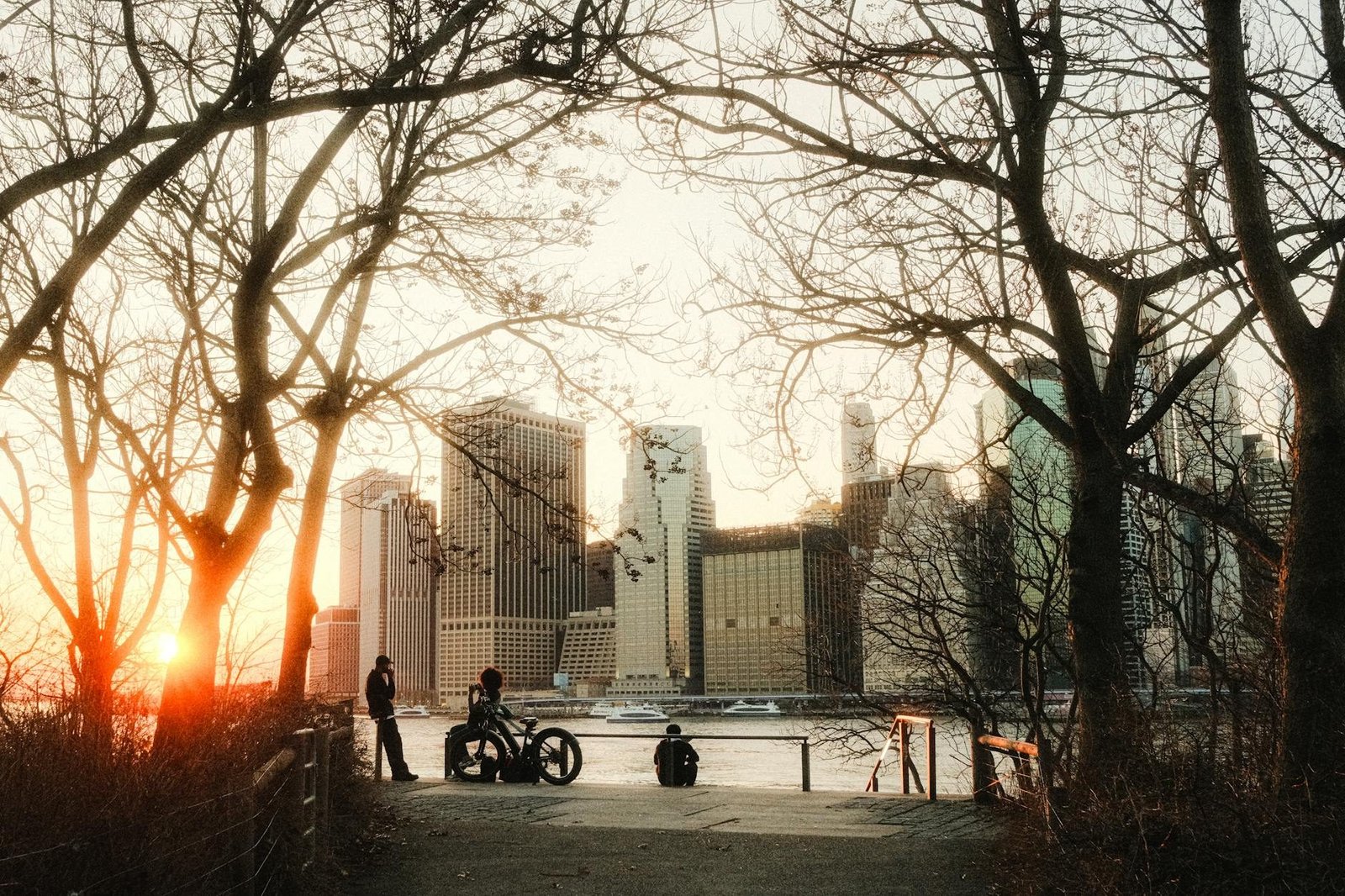
Let me think about this honestly for a minute, because the answer isn’t a simple yes. The High Line, on a Saturday in July at 1 PM, is genuinely not worth it. You’ll spend more energy dodging people than looking at anything. The Brooklyn Bridge at sunset is the same story — beautiful in theory, frustrating in practice. There are walks in this city that have been loved to death.
And yet. The same High Line at 8 AM on a Tuesday in October? One of the best ninety minutes you can spend in New York. Central Park’s north end on any random weekday afternoon, when you can hear actual birds? Worth it. The Hudson River Greenway from Battery Park up to Chelsea, walked slowly with a coffee, watching the boats and the light change? That’s the experience people are actually trying to have when they book a walking tour. You can do it for free, on your own schedule, and stop whenever your legs tell you to.
The trade-off is timing. If you’re not willing to walk before 10 AM or after 6 PM in the warm months, you’ll get the version of Manhattan that everyone complains about — crowded, hot, smelling like garbage on the wrong block. If you are willing to shift your rhythm, the same routes deliver something almost private. Have you ever walked the Hudson at 6 AM in summer? The river smells like a real river. The joggers nod at you. The city hasn’t woken up yet and you’re inside its dream for an hour. And why autumn is the best time to visit NYC becomes obvious when you’re doing these walks in October light.
So yes. The best walking routes in Manhattan: local favorites are worth it — but only if you treat the clock as part of the route. Show up at the wrong hour and you’ve paid for a worse version of something that’s free.
What people ask me before they go walking in Manhattan
What’s the best time of day to walk the High Line?
Before 9 AM on weekdays, hands down. By 11 AM it’s a slow-moving crowd. The 1.45-mile stretch takes about 45 minutes if you don’t stop, or 90 minutes if you actually look at things.
How long does it take to walk from the High Line to Battery Park?
About 90 minutes at a relaxed pace along the Hudson River Greenway — roughly 4 miles. Add 30 minutes if you stop at Pier 57’s food hall (worth it, twelve to twenty-five a plate).
Are there quieter alternatives to the High Line?
Yes — the East Midtown Greenway between East 53rd and East 60th Streets opened fully in 2026 and gets a fraction of the foot traffic. Different views, same waterfront energy, none of the elbows.
Where can I find a bathroom along these routes?
Chelsea Market at 75 9th Avenue is open 7 AM to 10 PM daily and is your safest bet on the west side. Central Park’s 18 playgrounds all have water refill stations too. Download the Flush app for the rest.
Is Central Park’s outer loop too long for one walk?
The full loop is 6.1 miles, which is two to two-and-a-half hours at a normal pace. Most people do half — and honestly, the northern half above the reservoir is the better half. Fewer crowds, more trees, the Conservatory Garden is a quiet stunner.
Do I need to worry about the congestion zone if I’m just walking?
Not at all — the Manhattan congestion zone south of 60th Street only tolls vehicles, not pedestrians or cyclists. If anything, it’s made the streets noticeably calmer for walking since January 2026.
What’s the one walking route I should do if I only have one afternoon?
The Hudson River Greenway from Chelsea down to Battery Park, with a stop at Pier 57. It’s flat, it’s scenic, it’s free, and it gives you a version of Manhattan you’ll keep thinking about long after you’ve gone home — which is, I think, the whole point of coming here in the first place. If you’re looking for best things to do in Chelsea and Hudson Yards, that route delivers all the context you need.